
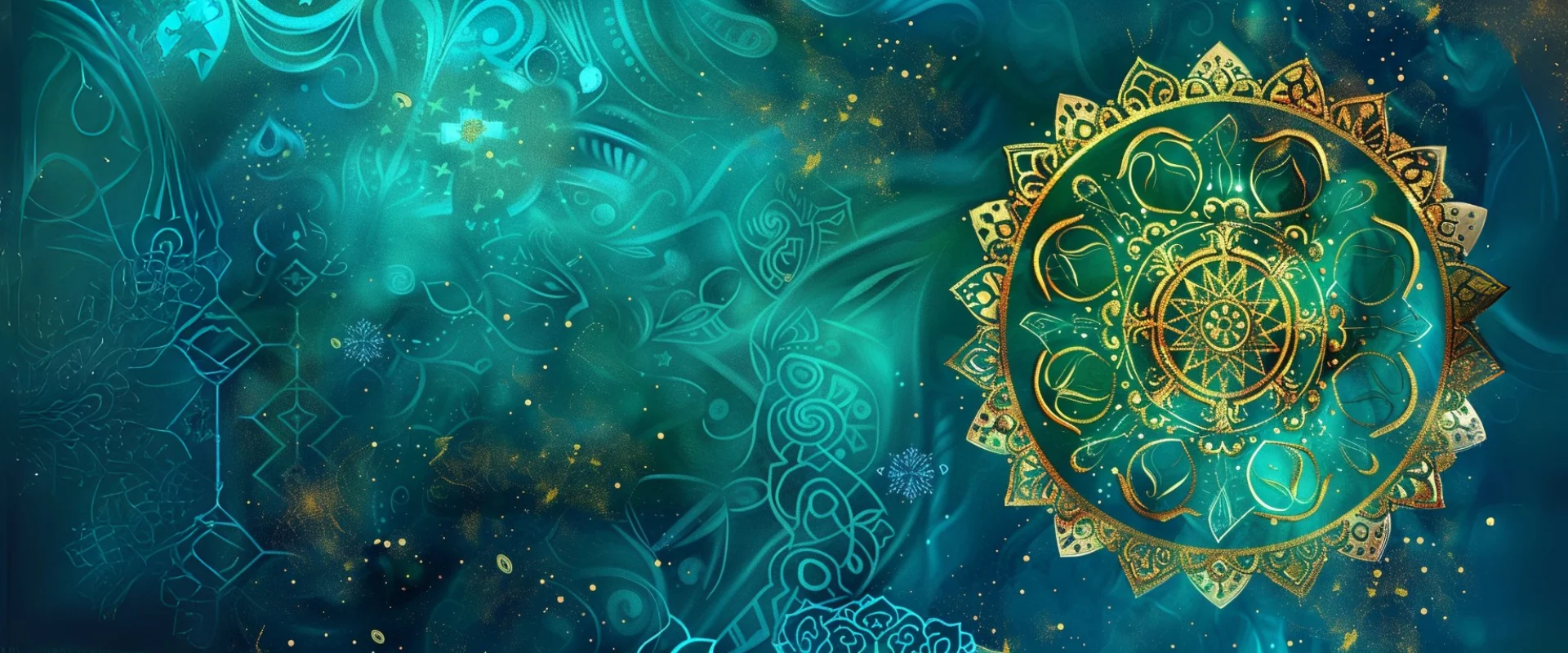
Sacred geometry is the universal language of nature — and one of its forms is the Mandala of Light, where numbers begin to speak through visual patterns and vibrations. It is this deep connection to the natural order and the cosmos that makes mandalas so appealing to modern people: here, a numerical sequence becomes more than abstraction — it becomes a bridge between reason and intuition, between the inner and outer worlds.
The word mandala comes from Sanskrit and means circle or center with surroundings.
But a mandala is more than a geometric motif — it is a universal symbol of order, harmony, and wholeness, found across cultures around the world.
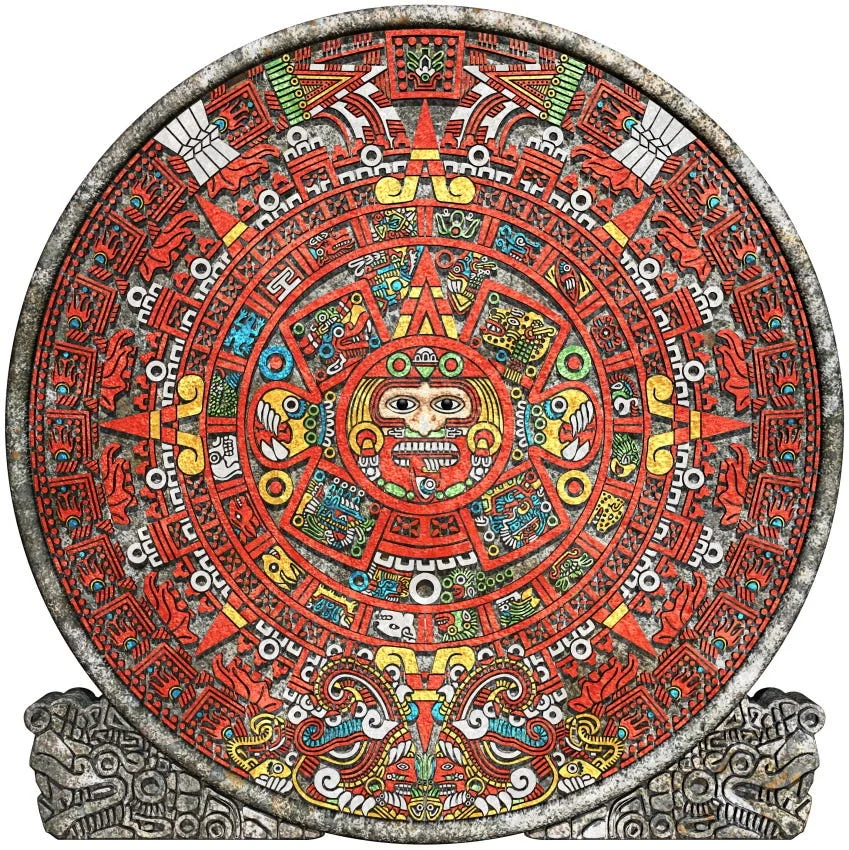
Mandalas appear in Indian yantras, Tibetan sand drawings, Christian stained glass, Celtic knots, Mayan calendars, and even in architecture — from Gothic cathedrals to Himalayan stupas.
In every tradition, they served similar purposes: from meditation and sacred rituals to representing the structure of the cosmos.
Mandalas hold a special place in the study of consciousness.
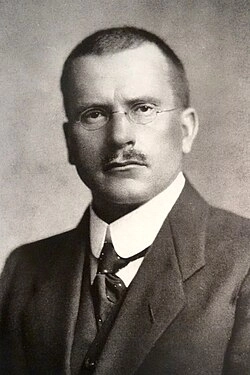
In the 1920s, the Swiss psychiatrist Carl Gustav Jung — the founder of analytical psychology — noticed that in difficult periods, his unconscious began to "draw circles." He began using mandalas in therapy as spontaneous projections of a person’s inner state. For Jung, the mandala was an archetype reflecting the psyche’s striving to restore order and reconnect with its center — the Self.
This gave rise to a whole field of art therapy, where the mandala became a tool for mindfulness, introspection, and personal growth. Therapists found that creating and coloring mandalas could help patients externalize internal states, reduce anxiety, and access deeper levels of self-awareness. The process of working with mandalas often creates a meditative state that allows individuals to process emotions and gain insights that might otherwise remain inaccessible through verbal therapy alone.
Modern culture has simplified and popularized mandalas. Today, they appear in coloring books, decor, T-shirts, and tattoos.
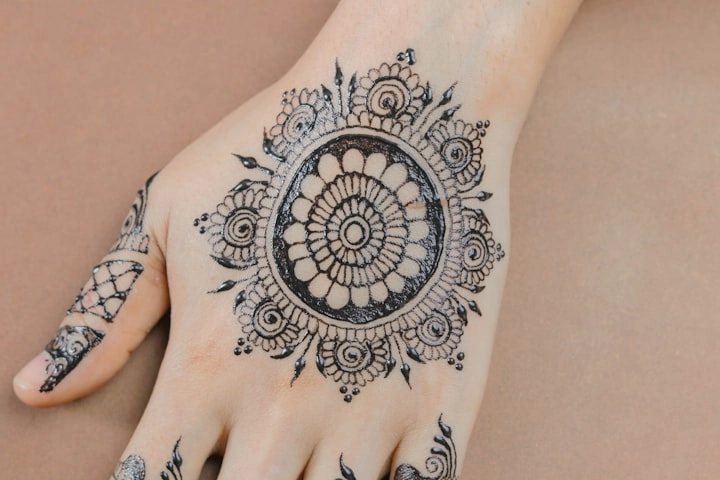

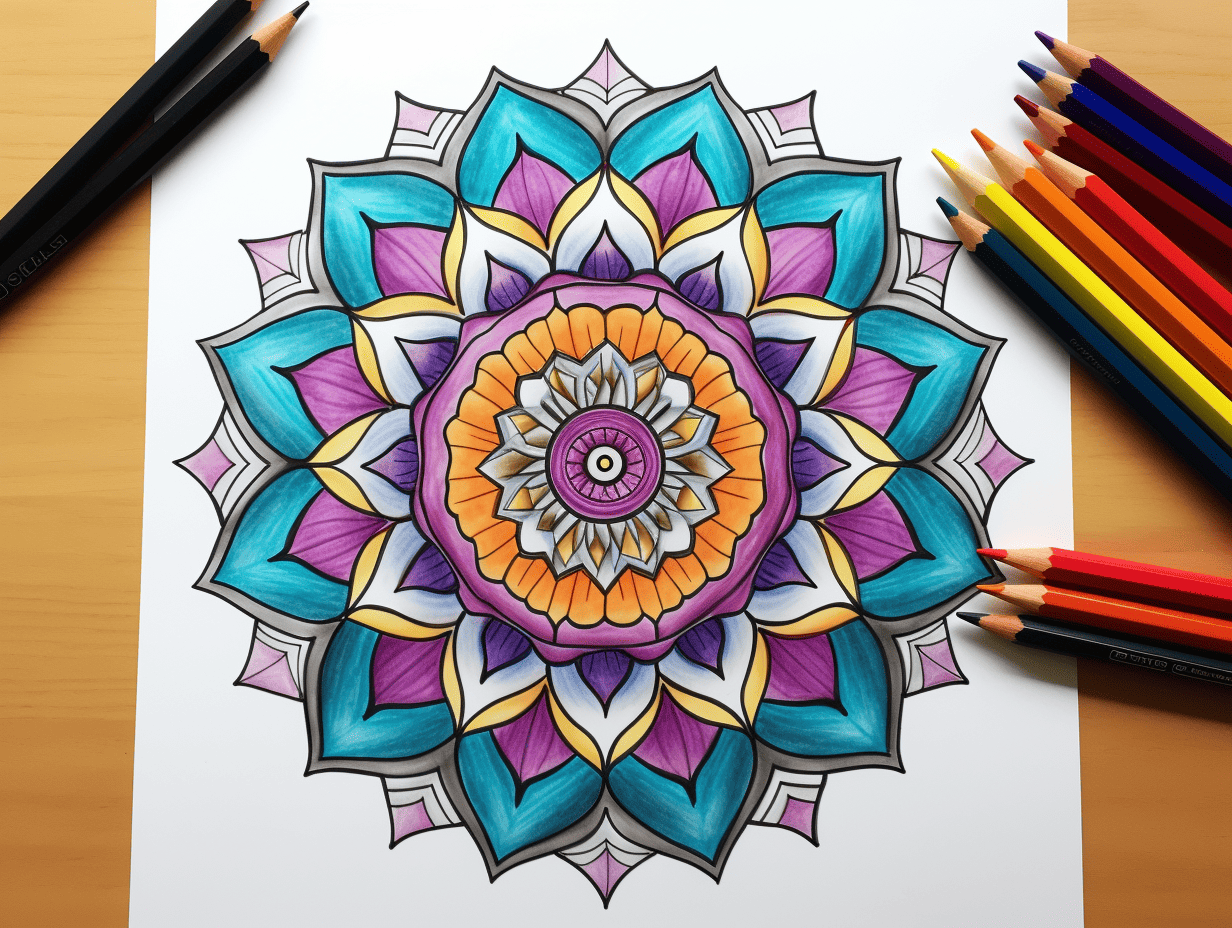
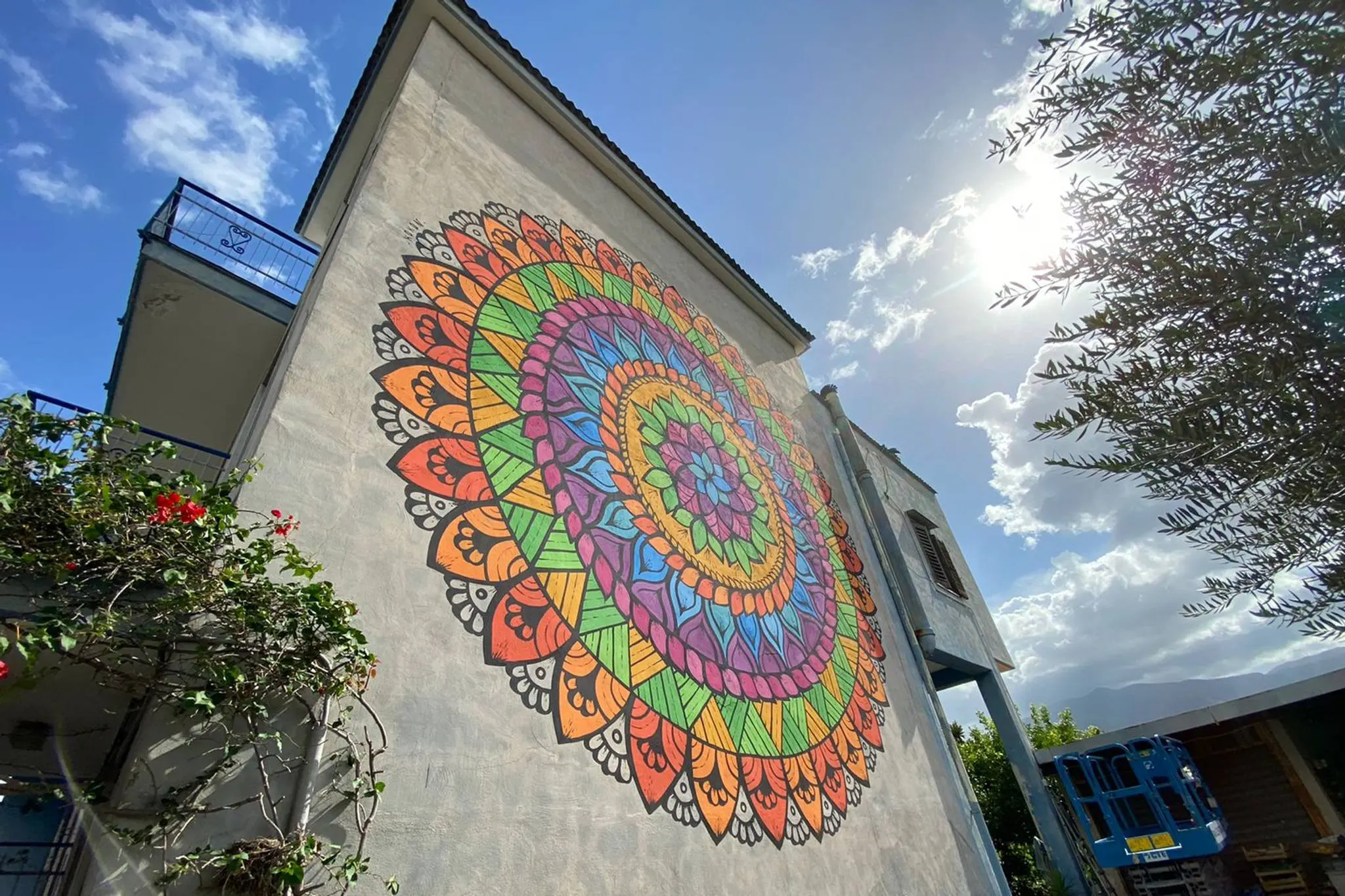
These pictures are drawn as a form of relaxation and meditation, and can be called intuitive: their shapes arise from feeling, not from calculation. But alongside them exists a different kind — ones that are precisely calculated and follow strict rules.
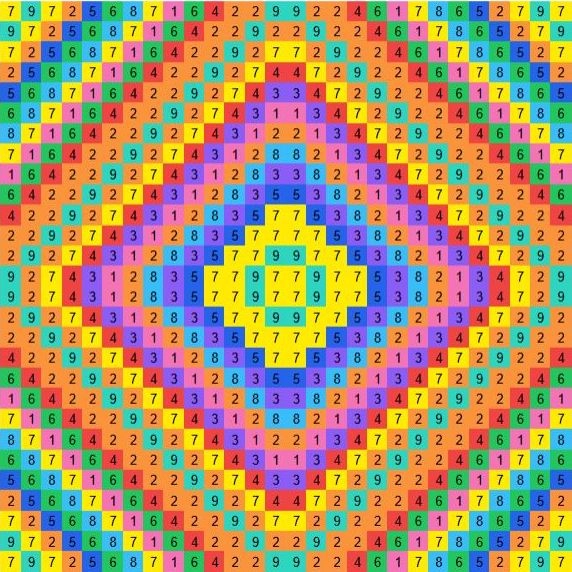
Algorithmic mandalas
An algorithmic mandala is not drawn freely, but constructed step by step according to an exact logic. Its basis can be a mathematical formula, a date, or even a short word or phrase — any of these can be turned into a numerical sequence.
Structure doesn’t cancel beauty — quite the opposite. There’s something uniquely moving about watching how a string of digits gives rise to something symmetrical, vibrant, and harmonious.
In such mandalas, every element has a reason, and the whole is governed by inner logic.
One of the most striking examples of algorithmic mandalas is the so-called Mandala of Light, or Light Grid Mandala.
This method was developed by Austrian researcher Ursula Irrgang and is based on transforming a number sequence into a grid of geometric shapes, which is then reflected symmetrically. The method works with numerical rows derived from the Fibonacci sequence, where each number is the sum of the previous two.
According to Irrgang, the idea of associating numbers with particular energies, forms, and colors was passed to her by teachers in India, Bolivia, and Peru, after which she spent decades researching and refining the system.
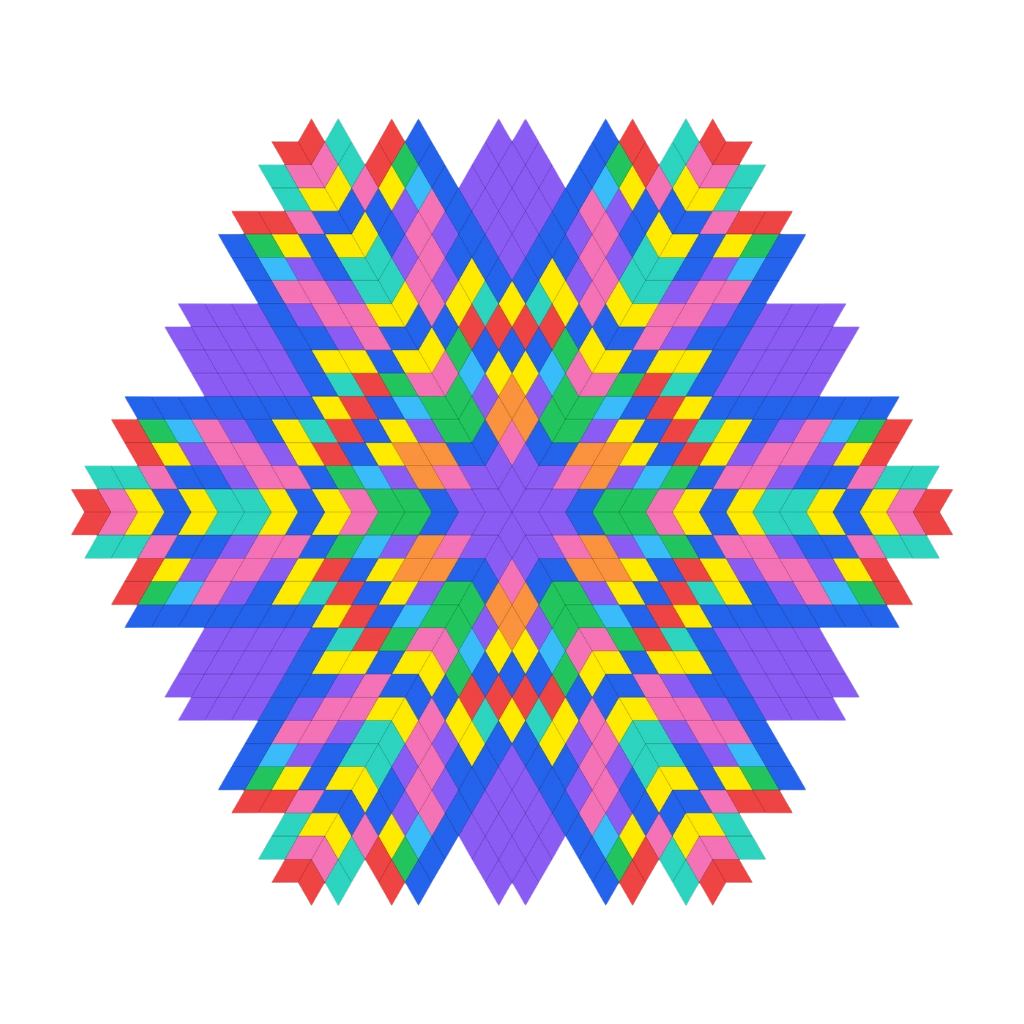
Irrgang herself calls her mandalas as holograms, because each part contains the structure of the whole — like in many natural forms: nautilus shells, flowers, crystals, and even galaxies.
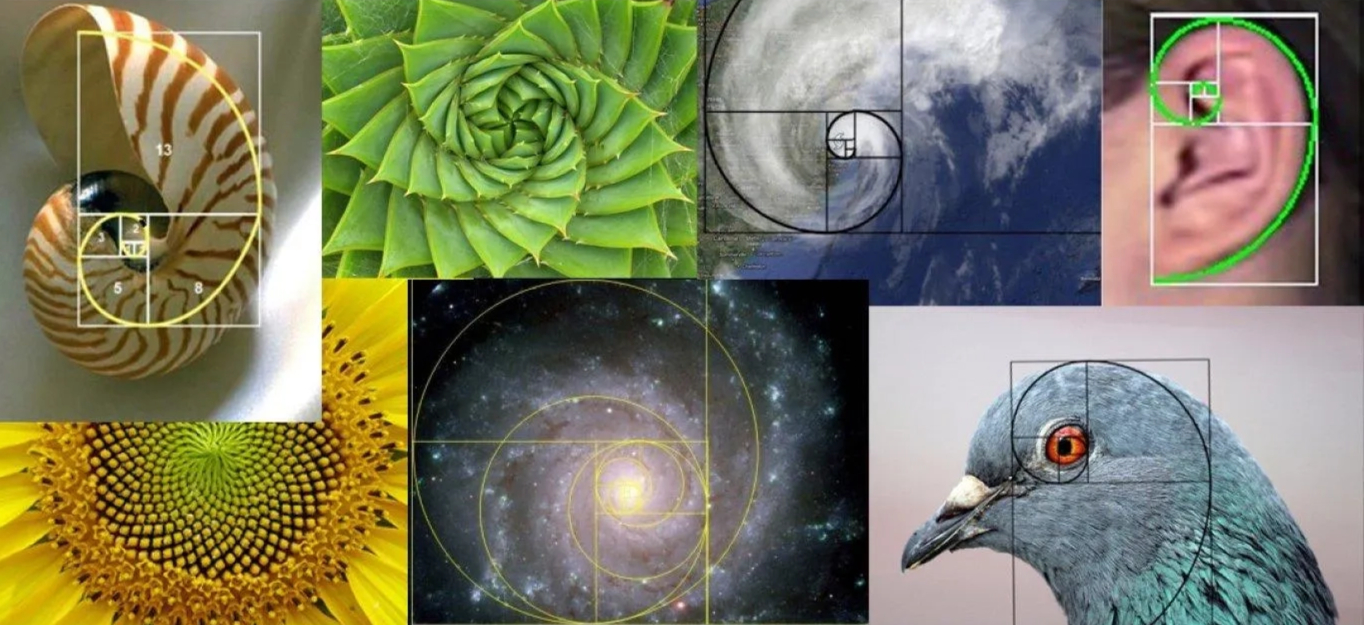
But this holographic quality is not only structural. The Mandala of Light literally "works with light": its color palette creates the impression of a glowing pattern, and the fine transitions and symmetries give it depth and inner vibration. In this sense, the mandala is not only a reflection of structure, but also a source of visual energy — both for the viewer and the surrounding space.
Unlike intuitive mandalas, the Mandala of Light requires no interpretation through imagination or metaphor. Its structure follows a numerical code, with clear meanings assigned to each color and form. Rather than guessing at artistic intent, you simply observe emerging patterns and discover which qualities or states are most prominent. The mandala thus becomes a mirror that shows rather than explains. It serves as a focus for attention, a visual anchor, a meaningful image. People display them as wall art, journal covers, or phone wallpapers. The mandala's rhythm and symmetry help restore calm, create order, and harmonize spaces.
The world of numerical mandalas is endlessly rich, and this website explores just one of its many forms—a hexagonal mandala based on a simple date. For those drawn to this topic (which often captivates people deeply and permanently), a fascinating journey awaits into the world of numbers, harmony, and geometric beauty.
See you at the crossroads of the Universe!
